
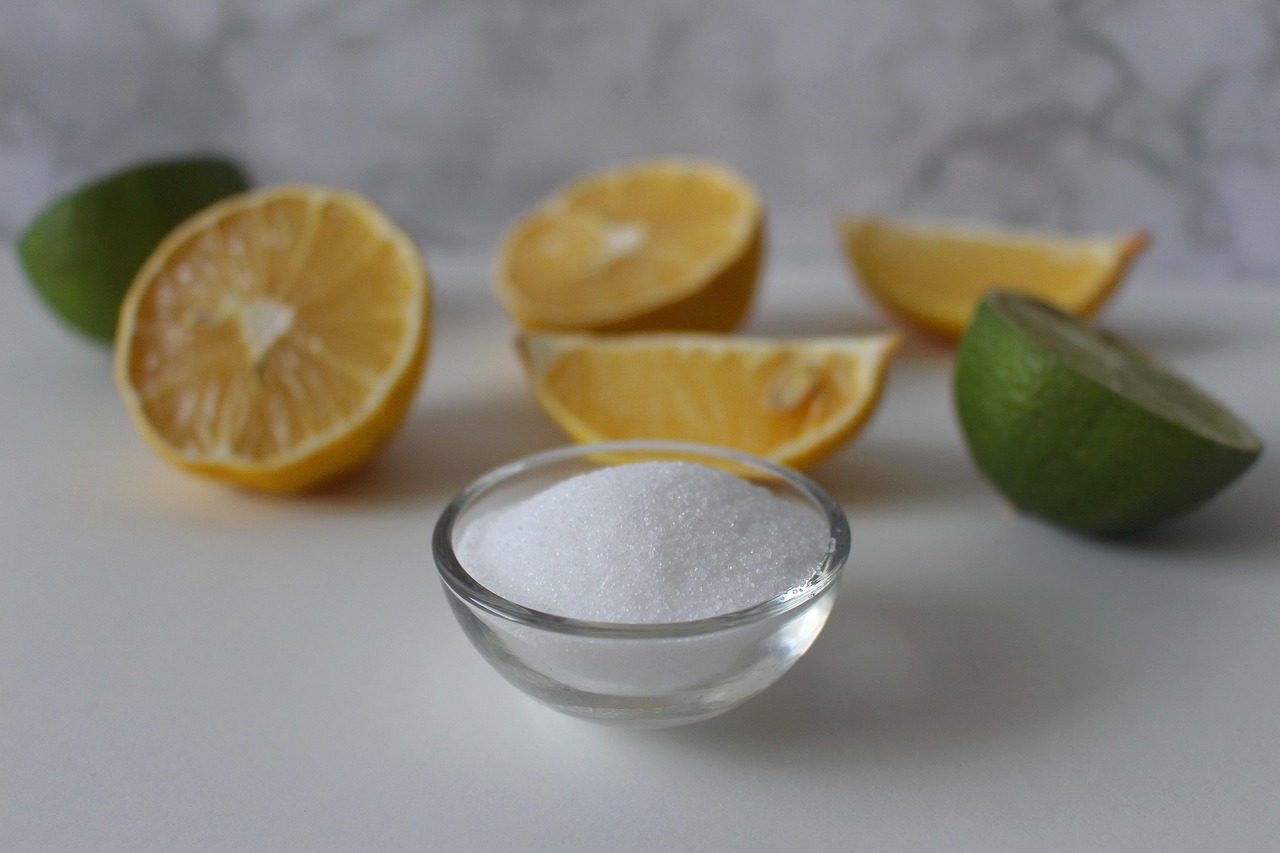
Citric acid is a ubiquitous organic compound, often associated with the tangy zest of citrus fruits. But its presence and utility extend far beyond the kitchen pantry, playing a vital role in everything from industrial processes to biological functions. This comprehensive exploration will demystify citric acid, detailing its chemical identity, its journey from natural sources to large-scale manufacturing, its diverse applications across numerous sectors, and its established safety profile.
Quick Summary / Key Takeaway
Citric acid (C₆H₈O₇) is a weak organic acid found naturally in citrus fruits and industrially produced via fermentation. It’s a key food additive, cleaning agent, and component in pharmaceuticals and cosmetics, recognized as safe by the FDA but can affect dental enamel with excessive consumption.
What Is Citric Acid?
At its core, citric acid is a naturally occurring organic compound that imparts a characteristic tartness to fruits. Its chemical structure and physical properties make it incredibly versatile, leading to its widespread adoption in various industries. Understanding its fundamental nature is the first step to appreciating its broad impact.
Chemical Structure and Formula
Citric acid is a tricarboxylic acid, meaning it possesses three carboxyl functional groups. This molecular arrangement is fundamental to its reactivity and its ability to perform various functions. The chemical formula for citric acid is C₆H₈O₇. In its pure form, it exists as a white crystalline solid. The presence of these carboxyl groups allows it to readily donate protons, classifying it as a weak acid. This acidity is what contributes to its sour taste and its effectiveness in various chemical reactions, such as chelation.
Physical Characteristics
In its solid state, citric acid appears as colorless crystals or a white powder. It is highly soluble in water, which is a key property for its use in liquid formulations across food, cleaning, and pharmaceutical applications. It also dissolves readily in ethanol. Citric acid has a melting point of approximately 153°C (307°F). Its most notable characteristic, from a sensory perspective, is its sharp, sour taste, which makes it a popular ingredient for enhancing flavor profiles. Beyond taste, its acidic nature also contributes to its preservative qualities, inhibiting microbial growth in various products.
Natural vs. Manufactured Citric Acid
While citric acid is famously associated with the zesty tang of citrus fruits, the vast majority of citric acid used commercially today is not extracted from these sources. Instead, it is produced through sophisticated industrial fermentation processes. This distinction is crucial for understanding its global availability and economic viability.
Natural Citric Acid Sources
The most well-known natural sources of citric acid are citrus fruits. Lemons and limes are particularly rich in this organic acid, often containing concentrations of up to 8% by dry weight. Oranges and grapefruits also contain significant amounts, contributing to their characteristic tartness. Historically, citric acid was primarily obtained by extracting it from lemon juice. This method, while effective for small-scale production, is labor-intensive and yields are limited, making it economically unfeasible for meeting global demand.
Manufactured Production via Aspergillus niger
The industrial production of citric acid relies heavily on a process called microbial fermentation. The microorganism most commonly employed for this purpose is a species of fungus known as Aspergillus niger, often referred to as black mold. This fungus is capable of metabolizing simple sugars, such as glucose or sucrose derived from corn, molasses, or other carbohydrate sources, and converting them into citric acid.
The fermentation process involves inoculating a sterile nutrient medium containing the sugar source with a specific strain of Aspergillus niger. This is typically carried out in large fermenters under carefully controlled conditions of temperature, pH, and aeration. The fungus grows and secretes citric acid into the surrounding liquid. Once the fermentation is complete, the citric acid is separated from the fungal biomass and the fermentation broth. It then undergoes a series of purification steps, including precipitation, filtration, and crystallization, to yield high-purity citric acid suitable for commercial use. This method is highly efficient, scalable, and cost-effective, allowing for the production of millions of tons of citric acid annually.
Here’s a comparative look at the two primary origins:
The dominance of manufactured citric acid is a testament to the efficiency and scalability of modern biotechnology. This allows for a consistent and abundant supply to meet the demands of global industries.
Primary Uses in Food and Beverages
Citric acid is one of the most widely used food additives worldwide, a testament to its multifaceted functionality. Its primary roles in the food and beverage industry revolve around enhancing flavor, extending shelf life, and improving product texture.
Acidulant and Flavoring
The most prominent use of citric acid in food and beverages is as an acidulant. Its tart, sour taste is crucial for balancing sweetness and adding zest to a vast array of products. In carbonated beverages, such as sodas and sparkling waters, citric acid provides the characteristic tang that consumers associate with refreshment. It is also a key ingredient in candies, jellies, jams, and fruit-flavored products, where it intensifies fruit flavors and provides a pleasant sour counterpoint to sweetness. In processed foods like sauces, soups, and salad dressings, it can add brightness and depth to the overall flavor profile. Its ability to mimic the natural acidity of fruits makes it an indispensable tool for food technologists aiming to create appealing and balanced taste experiences.
Shelf-Life Extension
Beyond its flavor-enhancing properties, citric acid also plays a significant role as a preservative. Its acidic nature helps to lower the pH of food products, creating an environment that is less hospitable to the growth of spoilage microorganisms, such as bacteria, yeasts, and molds. By inhibiting microbial proliferation, citric acid effectively extends the shelf life of many perishable goods. This is particularly important for canned fruits and vegetables, processed meats, and dairy products. Furthermore, citric acid can act as an antioxidant, or more accurately, a chelating agent. It binds to trace metal ions (like iron and copper) that can catalyze oxidation reactions, thereby preventing the degradation of fats, oils, and vitamins, which can lead to off-flavors and nutrient loss. This dual action—inhibiting microbial growth and preventing oxidative spoilage—makes citric acid a valuable ingredient for maintaining product quality and safety over time.
Household Cleaning Applications
The chemical properties of citric acid extend its utility far beyond the kitchen and into the realm of household cleaning. Its effectiveness in tackling common domestic challenges stems from its ability to interact with mineral deposits and metal ions.
The Science of Chelation
Citric acid’s prowess in cleaning is largely attributed to its ability to perform chelation. Chelation is a chemical process where a molecule, known as a chelating agent, forms multiple bonds with a metal ion, effectively surrounding and sequestering it. In the case of citric acid, its three carboxyl groups can bind to metal ions such as calcium, magnesium, iron, and copper. These metal ions are often the culprits behind stubborn stains and deposits in household settings. By forming stable, soluble complexes with these ions, citric acid renders them inactive and allows them to be easily washed away. This mechanism is particularly effective against mineral-based stains.
Targeting Hard Water Stains and Rust
One of the most common household cleaning challenges is dealing with the effects of hard water. Hard water contains high concentrations of dissolved minerals, primarily calcium and magnesium. When this water evaporates, it leaves behind unsightly white, chalky deposits known as lime scale. Citric acid is highly effective at dissolving these hard water stains and lime scale. When applied to surfaces like faucets, showerheads, sinks, and toilet bowls, it breaks down the mineral buildup.
Furthermore, citric acid is a potent agent for removing rust stains, which are typically iron oxide deposits. It can also tackle soap scum, a residue formed from the reaction of soap with minerals in hard water. Its mild acidity means it can effectively dissolve these substances without being as corrosive as stronger mineral acids, making it a safer and more environmentally friendly alternative for many cleaning tasks. It is often found as an active ingredient in dishwashing detergents, descalers, toilet bowl cleaners, and general-purpose bathroom cleaners.
Role in Medicines, Supplements, Skincare, and Cosmetics
The functional versatility of citric acid makes it a valuable ingredient in a surprising array of products within the pharmaceutical, nutraceutical, and personal care industries. Its chemical properties lend themselves to stabilization, pH adjustment, and even therapeutic benefits.
Stabilizing Medicines and Mineral Absorption
In the pharmaceutical industry, citric acid serves several critical roles. Firstly, it acts as a stabilizer for active pharmaceutical ingredients (APIs). Many medications are susceptible to degradation over time, especially when exposed to light, heat, or moisture. Citric acid can help to prevent or slow down these degradation processes, thereby extending the shelf life and maintaining the efficacy of the drug. It can also be used to adjust the pH of liquid medications, ensuring optimal stability and solubility of the active compounds.
Beyond stabilization, citric acid plays a crucial role in mineral supplements. For instance, it is often included in calcium and magnesium supplements. Citric acid forms highly bioavailable salts with these minerals, such as calcium citrate and magnesium citrate. These citrate forms are more readily absorbed by the body compared to other mineral forms, enhancing the effectiveness of the supplement. This improved absorption is a significant benefit for individuals who may have difficulty absorbing minerals from their diet or from less soluble supplement forms.
pH Adjustment and Exfoliation in Skincare
In the realm of skincare and cosmetics, citric acid is prized for its ability to adjust and maintain pH levels. Many cosmetic formulations, including creams, lotions, and serums, require a specific pH range to ensure stability, efficacy, and compatibility with the skin. Citric acid is a common ingredient used to lower the pH of these products, making them more acidic. This is important because the skin’s natural barrier function is maintained by a slightly acidic pH (around 4.5-5.5). Products with an appropriate pH are less likely to disrupt this barrier, leading to healthier-looking skin.
Furthermore, as an alpha-hydroxy acid (AHA), citric acid also functions as a mild exfoliant. AHAs work by loosening the bonds between dead skin cells on the surface of the epidermis. This promotes cell turnover, revealing fresher, smoother, and brighter skin underneath. While not as potent as some other AHAs like glycolic acid, citric acid offers a gentler exfoliating action, making it suitable for individuals with sensitive skin. It is commonly found in facial cleansers, toners, masks, and anti-aging products.
Here’s a breakdown of its applications across these sectors:
Biological Role and Safety Profile
Citric acid is not merely an industrial chemical; it is also a fundamental component of life itself. Its presence within our bodies and its regulatory status highlight its biological significance and safety.
The Krebs Cycle (Citric Acid Cycle)
Within the cells of all living organisms, citric acid plays an indispensable role in cellular respiration. It is a central intermediate in the Krebs cycle, also known as the citric acid cycle or the tricarboxylic acid (TCA) cycle. This metabolic pathway is a series of chemical reactions that occur in the mitochondria of aerobic organisms. The primary function of the Krebs cycle is to generate energy in the form of adenosine triphosphate (ATP), which is the main energy currency of the cell.
In this cycle, acetyl-CoA (derived from the breakdown of carbohydrates, fats, and proteins) combines with oxaloacetate to form citrate (the ionized form of citric acid). Through a series of enzymatic reactions, citrate is then systematically oxidized, releasing carbon dioxide and generating high-energy electron carriers (NADH and FADH₂). These carriers subsequently fuel the electron transport chain, where the majority of ATP is produced. Therefore, citric acid is not just an additive; it is a vital molecule for energy production in nearly every cell in our bodies.
FDA Safety Classification and Dental Health Risks
The U.S. Food and Drug Administration (FDA) has extensively reviewed the safety of citric acid. Based on scientific evidence and historical use, manufactured citric acid is classified as Generally Recognized as Safe (GRAS). This designation means that it is considered safe for its intended use as a food additive and is permitted in food products without the need for extensive pre-market approval. The GRAS status reflects its long history of safe consumption and its well-understood metabolic fate within the human body.
However, like all acidic substances, excessive consumption or frequent exposure can pose risks, particularly to dental health. The acidic nature of citric acid, especially when consumed in beverages like sodas, fruit juices, or even in candies, can erode tooth enamel. Enamel is the hard outer layer of teeth that protects them from decay. When teeth are frequently exposed to acids, the enamel can demineralize, becoming weaker, more sensitive, and more susceptible to cavities. To mitigate this risk, it is advisable to consume acidic beverages in moderation, use a straw to minimize contact with teeth, and rinse the mouth with water afterward.
Frequently Asked Questions
What is the primary function of citric acid in food?
Citric acid primarily functions as an acidulant to provide tartness and enhance flavors in food and beverages, and as a preservative to extend shelf life by inhibiting microbial growth.
How is manufactured citric acid produced?
Manufactured citric acid is produced through the microbial fermentation of simple sugars using the fungus *Aspergillus niger* under controlled industrial conditions.
Is citric acid safe for consumption?
Yes, the U.S. Food and Drug Administration (FDA) classifies manufactured citric acid as Generally Recognized as Safe (GRAS) for its intended uses in food.
Can citric acid be harmful to teeth?
Yes, frequent or excessive consumption of acidic substances like citric acid, particularly in beverages, can lead to the erosion of tooth enamel over time.
What is the biological role of citric acid in the human body?
Citric acid is a vital intermediate in the Krebs cycle (citric acid cycle), a fundamental metabolic pathway responsible for generating energy (ATP) within the body’s cells.
In what other industries is citric acid used besides food?
Citric acid is widely used in household cleaning products for its chelating properties, and in medicines, supplements, skincare, and cosmetics for stabilization, pH adjustment, and exfoliation.